7-Step Fertilization and Weed Control Program

For a Healthier Lawn

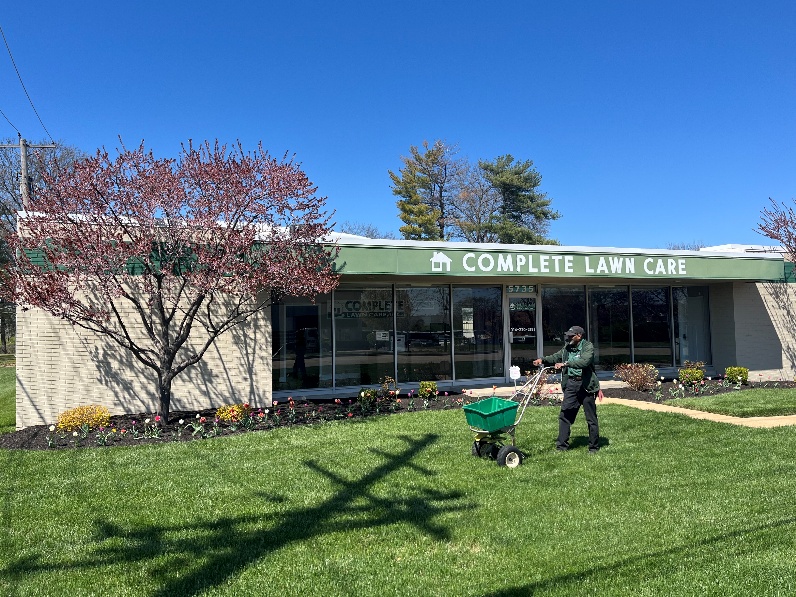
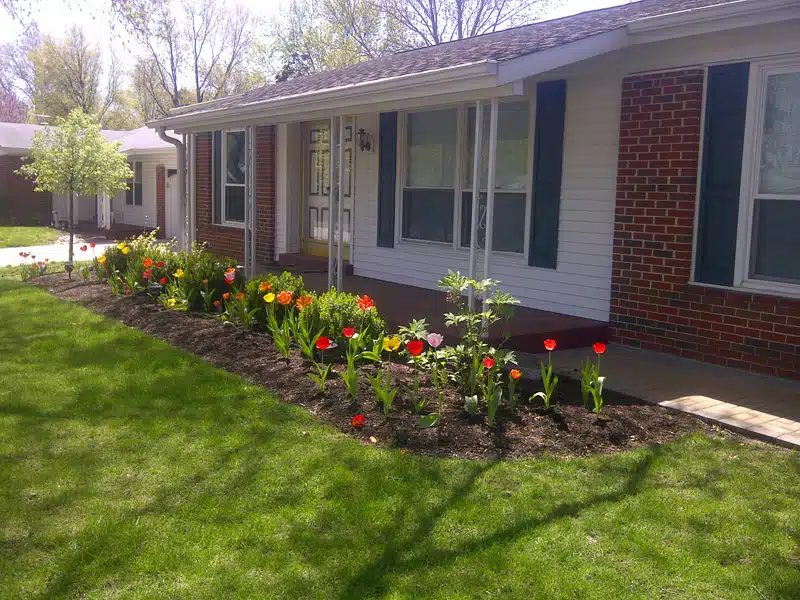
Many people who call into our office have the same question; “what can be done to make my grass greener, denser, and healthier?” Luckily, we here at Complete Lawn Care have the answer to that problem with our 7-Step Fertilization and Weed Control Program! This program helps kill and prevent common weeds on your lawn, helps with preventing grubs, as well as providing various fertilizers throughout the season to help your grass grow strong and healthy!

A well fertilized lawn will have a stronger root system, and will be able to better combat heat, cold, drought, mowing, foot traffic, pets, insects, and many other stressors. These 7-steps are generally applied monthly during the growing months (March-October). To learn more about this process, please continue reading below. However, if you are already interested in this package, please give us a call so we can send you a free estimate, or submit an estimate request online through our website!
Fertilization 1
Fertilization 2

All It Takes Is 7 Steps

A Detailed Look At The 7-Step Program

We do the hard part

Step
01

Pre-Emergent Weed Control & Fertilizer (March)

A granular pre-emergent for common annual weeds, such as crabgrass, dandelions, and clover. The best time to combat weeds in the lawn is before it starts, that is why we apply this first before most weeds have time to germinate. We are also applying a fertilizer to help your lawn recover from the winter and encourage green-up. Note: This product cannot be used in conjunction with seeding.
Step
02

Pre & Post Emergent Weed Control (April)

A liquid application that includes some more pre-emergent weed control, as well as a blanket spray of broadleaf weed control to target existing weeds such as dandelions and clover.
Step
03

Post Emergent Weed Control (May)

A final liquid application of broadleaf weed control for any weeds left after initial applications. This step ensures that you have the least amount of weeds possible going into the hotter months, as at that time they become harder to treat.
Step
04

Grub Control & Fertilizer (June)

A granular product to help prevent grubs along with fertilizer. This step is imperative to keeping a healthy lawn. Grubs, the larvae of various beetles, can cause significant damage by feeding on grass roots, leading to brown patches, spongy turf, and weakened grass.
Step
05

Summer Fertilizer (July)

A slow-release fertilizer designed for summer. The slow-release formula helps prevent turf burn during the hot months, while still providing the necessary nutrients that the lawn requires.
Step
06

Starter Fertilizer (September)

A granular fertilizer which specifically promotes root development. This step further strengthens the existing lawn, and is highly beneficial for new seed in conjunction with Aeration and Seeding.
Step
07

Winterizer (October/November)

Our final step for the season, a granular fertilizer with increased Nitrogen content to give your lawn the nutrients it needs to stay strong through the winter months.
Fertilization 3
Fertilization 4

Weed Control

Further Manage Your Lawn's Health

Weeds are the unsightly and resilient plants in your turf that spread fast and can quickly take over a lawn if left unchecked. Generally, weeds thrive on all the conditions that your lawn doesn’t. Soil and dirt that is dry or oversaturated, thin or bare patches, underfed or unfertilized grass, etc. These are the places in your lawn that weeds will thrive and conquer. Not to worry, with Complete Lawn Care’s 7-step program, we will keep those weeds in check and give your turfgrass the nutrients it needs to fight back!

If you are in need of fertilization and weed control, Complete Lawn Care offers those services in Florissant, Black Jack, Spanish Lake, Old Jamestown, Richmond Heights, Clayton, University City, Ladue, Frontenac, Town and Country, Hazelwood, and some areas in Ballwin and Chesterfield. Call today to find out if you are in our regular service area!

Grub Control

Ensure a Healthy Lawn

After getting your lawn to look it’s best, don’t let grubs take it over! By killing off the grubs that live beneath your lawn, you can ensure a healthy green lawn for years to come.

Grubs are the larva of beetles. They are milky white with a brown head and a darker tail. They will be curled up in a “C” shape. Grubs feed on the roots of grass, and damage is identified as dead grass that can be lifted like a piece of carpet. Grub damage is usually first noticed in mid to late August and occurs in the sunniest, driest locations of the lawn. Damage can also occur from raccoons, skunks and birds digging up the lawn to feed on these grubs.

The best time to control grubs is when the larvae are small and actively feeding near the surface. Grub and insect control should be applied in June. Lucky for you, our grub control application is included in our 7-Step program! If you are interested in receiving a free quote, please call today!

Fertilization 5
Fertilization 6
Fertilization 7
Fertilization 8

Aeration & Seeding

More Benefits for Your Lawn

You may be wondering, what is aeration? Aeration allows for air, water and fertilizer to reach the roots of your grass. It also reduces thatch and soil compaction. Weeds can develop quicker and easier on thin, sparse lawns. A thick dense lawn is the best way to prevent weeds. We recommend aerating and seeding of bluegrass and fescue lawns to help thicken your lawn. There are many benefits of aeration, some of these are:

Lawn Watering

Great Tips and Tricks

Missouri lawns may require 1-1.5 inches of water per week to remain green and actively growing. Our climates supports both warm and cool season grasses each with their own characteristics. Deep infrequent waterings are best as it promotes deep root growth. Frequent shallow waterings encourages minimal (not deep) root development. It can also promote weed growth by leaching the pre-emergents from the soil. Fertilizers will not provide as long of an effect. Taller lawns can reduce the amount of watering required as a tall lawn has deeper roots, provides its own shade for itself and the soil surface. We recommend a height of 3-3.5 inches.

The best time to water is in the morning for those that are early risers or have irrigation systems. It is best to avoid midday watering as some benefits may be lost to evaporation and wind can also be a factor effecting the coverage. Evening watering minimizes evaporation, but can lead to fungal conditions if the grass remains wet overnight.

For how long should I water my lawn?
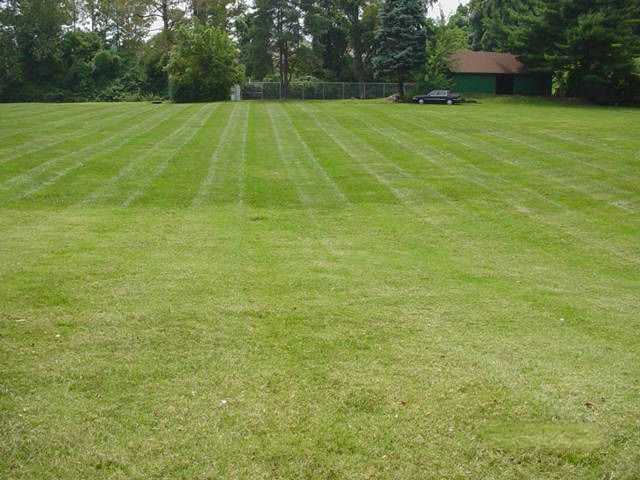
Each home is different in regards to water pressure and volume, so the answer is not the same. Even with the same sprinkler one home may require 20 minutes and different home may require 30 as it is dependent upon pressure and flow. The best way to check the amount of water that your lawn is receiving is by placing catch cans throughout the irrigated zone. A good catch can would be one with a straight side – for example a tuna, cat food, or soup can as opposed to a bowl that has curved bottom. Turn the sprinkler on for 15 minutes and then take an average depth of water in each of the cans. If it is 1/4 or .25 inches you would then know it takes 1 full hour to produce 1 inch of water/rain, the amount needed per week to keep the lawn actively growing.
Fertilization 9
Fertilization 10

Other Available Lawn Applications

A Variety of Services

Nutsedge, also called watergrass, is a common summer weed that looks like grass but grows faster, leading to a noticeable height difference especially a day or two after mowing. Due to its fast growth, it also tends to outcompete your turfgrass for water and nutrients. If Nutsedge is left untreated, it can lead to a lawn that looks uneven and weaker. Our nutsedge treatment at Complete Lawn Care is applied as needed and is charged depending on the amount used, but will not exceed the cost of a standard application.
Fertilization 11
Fertilization 12
Fungal diseases are quite common in turf grass in Missouri, especially during the summer months when temperatures reach 85-90 degrees Fahrenheit and nighttime temperatures drop to 65-70 degrees. This, along with humidity creates the perfect environment for fungal spores to thrive. The 2 most prevalent fungi in Missouri lawns are listed below.
These diseases are very dangerous to the overall health of your lawn, and should be dealt with as soon as they are spotted to prevent further damage. Our fungicide treatment at Complete Lawn Care treats and prevents these fungal diseases, stopping their ability to spread and cause further damage to your lawn. Our treatment lasts roughly 4 weeks, but depending on the weather conditions, more than one application may be required to fully eradicate. The sooner we are notified, the faster we can supply the solution! If you would like a quote, please give us a call so we can send you a free estimate, or submit an estimate request online through our website.
Fertilization 13
Fertilization 14
An insect infestation can quickly become a problem for an untreated lawn. Be on the lookout during the spring and summer for potential insect damage (brown spots, dead grass) so that we can address it in a timely manner. Some of the most common pests for Missouri are listed below.
Insect infestations are a problem that must be dealt with quickly to minimize potential further damage to the lawn. Luckily, Complete Lawn Care provides an insecticide application to kill off these common pests! If you would like a quote, please give us a call so we can send you a free estimate, or submit an estimate request online through our website.
Fertilization 15
Fertilization 16
This service can be useful to clients who are experiencing issues with their lawn even after fertilizing and staying on a consistent watering schedule of at least 1” a week. There may be certain nutrient deficiencies, or an imbalance in the pH of the soil that can contribute to poor nutrient absorption, uneven and slow growth, and the potential to be more susceptible to disease. A soil analysis allows us to analyze these factors to see if there are any amendments we can implement to create more ideal conditions for the turf. If you are interested, and would like a quote, please give us a call so we can send you a free estimate, or submit an estimate request online through our website.
Fertilization 17
Fertilization 18